Is Your Cat Stressed? Common Signs and How to Help
Cats are experts at hiding how they feel, so learning the quiet signs of stress helps you spot problems early and make your home a calmer place.
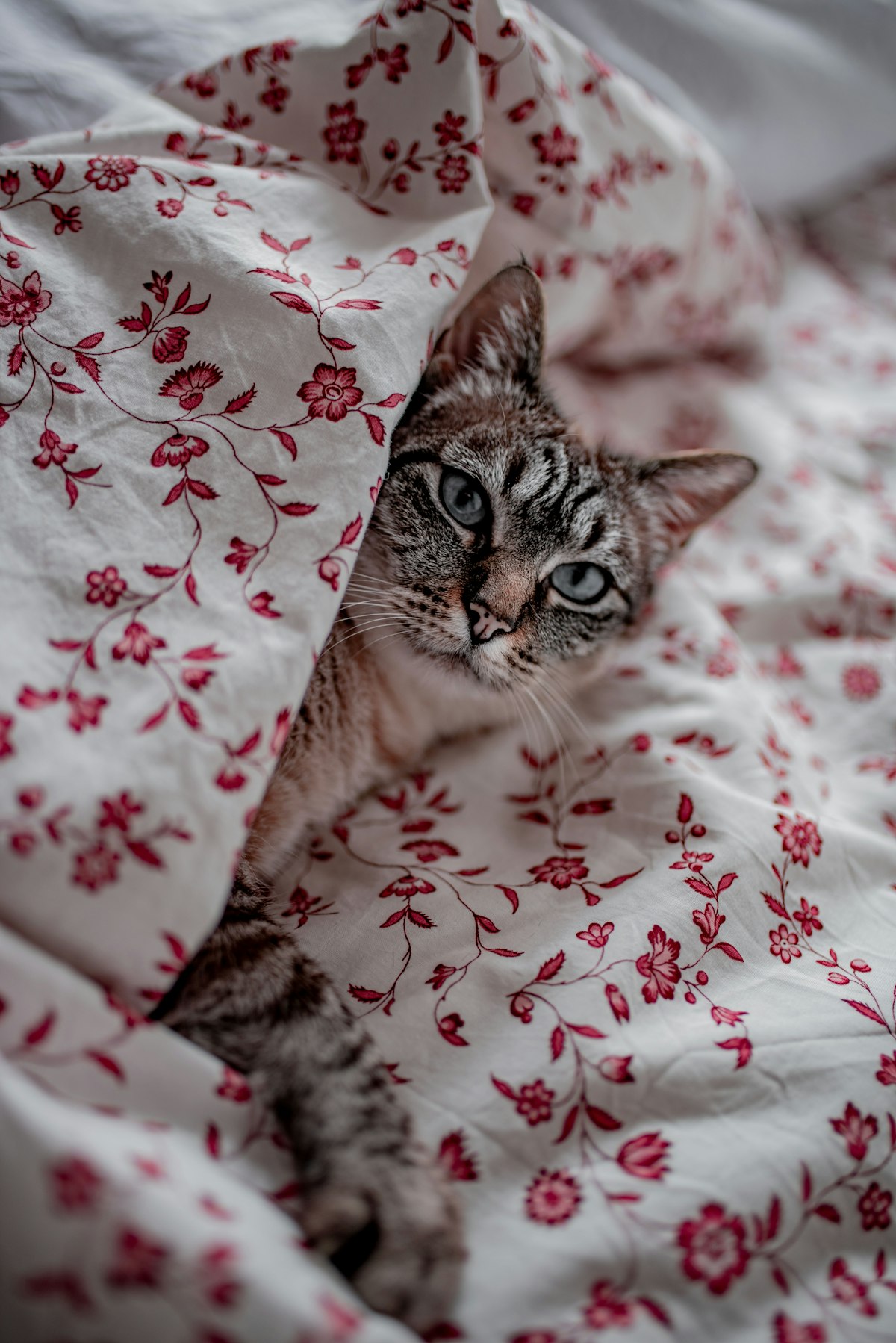
Cats are creatures of habit. They like familiar smells, predictable routines and a sense of control over their territory. When something in their world changes, many cats feel stressed, but they rarely show it in obvious ways. Instead, stress often appears as small changes in behavior that are easy to miss or mistake for "bad behavior."
This guide covers the most common signs of stress in cats, the usual triggers, and practical ways to help your cat feel safe again.
Common Signs Your Cat May Be Stressed
Changes in behavior
- Hiding more than usual, or staying in one room for long periods.
- Peeing or pooping outside the litter box, including on beds, rugs or near doors and windows.
- Over-grooming, sometimes leading to thin fur or bald patches, often on the belly or legs.
- Changes in appetite, either eating much less or, less commonly, more.
- Irritability or aggression toward people or other pets, such as hissing, swatting or biting.
- More vocalizing, especially at night.
- Scratching furniture more, particularly near doors or windows.
- Less interest in play or in the people they normally seek out.
Body language
A stressed or frightened cat may crouch low with the tail tucked close to the body, flatten the ears sideways or backward, show wide pupils, or hold the body tense and ready to run. A relaxed cat, by contrast, usually has a loose body, ears facing forward and is happy to stretch out in the open.
Is It Stress or a Health Problem?
Many signs of stress overlap with signs of illness. Hiding, appetite changes and litter box problems can all be caused by pain or medical conditions, such as urinary or dental problems. That is why a vet check is a good first step whenever your cat's behavior changes, especially if it happens suddenly.
Seek urgent veterinary help if your cat is straining in the litter box and producing little or no urine, crying while trying to urinate, or repeatedly visiting the box without results. This can be a sign of a urinary blockage, which is an emergency, particularly in male cats.
Common Causes of Stress in Cats
Cats can be stressed by changes that seem small to us:
- Moving house or rearranging furniture
- A new pet, a new baby or a new person in the home
- Visitors, parties or building work
- Loud noises such as fireworks or storms
- Changes in your schedule, such as returning to the office
- Tension with another cat in the home, or seeing unfamiliar cats outside the window
- Competition for food, water, litter boxes or resting spots
- Boredom and lack of play
- Vet visits and car travel
How to Help a Stressed Cat
Give them safe places to retreat
Every cat needs somewhere to hide where they will not be disturbed: a covered bed, a box on its side, or a quiet spot under furniture. Let your cat come out on their own terms rather than pulling them out.
Add vertical space
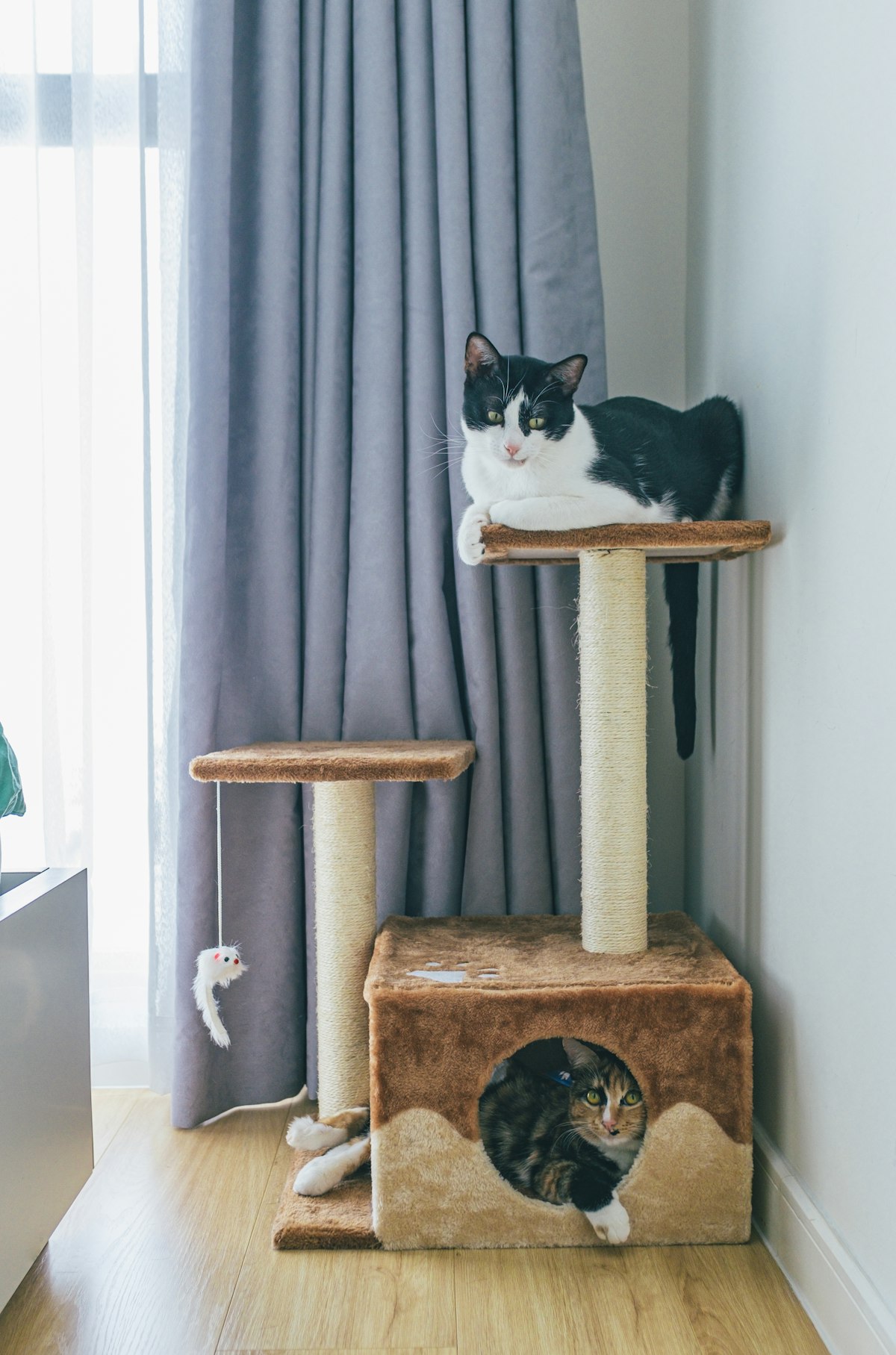
Cats often feel safer when they can watch the world from above. Cat trees, shelves and cleared window ledges give them a place to observe and escape, which is especially helpful in homes with dogs or children.
Keep resources separate and plentiful
In multi-cat homes, competition is a big source of stress. Provide several feeding spots, water bowls, scratching posts and resting places in different areas. A common guideline is to have one litter box per cat plus one extra, placed in quiet locations rather than all in one spot.
Stick to a routine
Feed, play and clean the litter box at similar times each day. Predictability helps cats feel in control, especially during unavoidable changes like a move.
Play every day
Short, regular play sessions with a wand toy let your cat stalk, chase and pounce, which helps release tension. Ending with a small meal or treat mimics a natural "hunt, catch, eat" sequence that many cats find satisfying.
Introduce changes gradually
New pets should be introduced slowly, starting with separate rooms and scent swapping. When rearranging the home, keep your cat's key items, such as their bed, litter box and scratching post, familiar and in place where possible.
Ask your vet about extra support
Some owners find synthetic pheromone diffusers helpful in reducing stress, although results vary between cats. For cats with ongoing anxiety, your vet may suggest other options or refer you to a behavior specialist. Never give your cat human calming products or medicines, as some are dangerous for cats.
What Not to Do
Some well-meant reactions can make a stressed cat feel worse:
- Do not punish or shout. Scolding a cat for peeing outside the box or scratching furniture adds fear without fixing the cause.
- Do not force contact. Picking up or cuddling a cat that wants to hide can increase anxiety and lead to scratches or bites.
- Do not change everything at once. If you need to move the litter box, switch food and rearrange furniture, spread the changes out.
- Do not use strong-smelling cleaners near the litter box. Many cats dislike harsh scents. Clean accidents with an enzyme-based cleaner so the smell does not draw your cat back to the same spot.
Patience and consistency usually work far better than any quick fix.
Conclusion
Stress in cats is common, but it is often quiet and easy to overlook. Watch for changes such as hiding, litter box problems, over-grooming or shifts in appetite, and always rule out health issues with your veterinarian first. Then focus on what helps cats feel secure: hiding spots, high perches, plenty of separate resources, a steady routine and daily play. With a little patience, most cats settle back into a happier, more relaxed rhythm.


Yorumlar
Yorum Gönder