Is Your Pet Overweight? A Practical Guide to Healthy Weight for Cats and Dogs
Extra weight creeps up on cats and dogs slowly, but with an honest check at home, smarter feeding habits and a little more play, most pets can get back to a healthy shape.
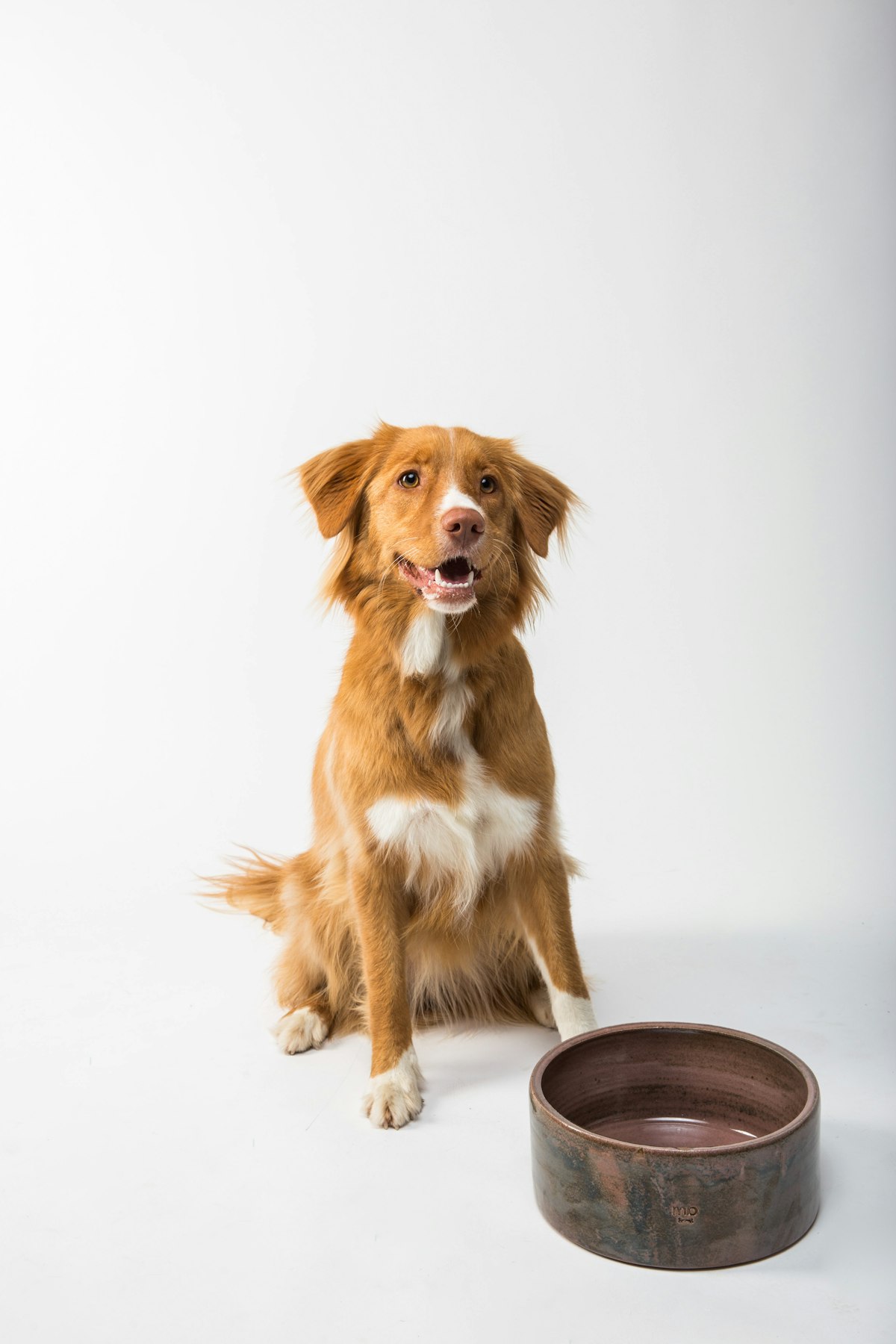
Many owners only notice that their pet has gained weight when a harness suddenly feels tight or the vet mentions it at a checkup. That is completely normal. Pets put on weight gradually, and because we see them every day, the change is easy to miss. The good news is that weight is one of the most manageable parts of pet health. Small, steady changes at home usually make a real difference.
This guide walks you through how to check your pet's body condition, why extra weight matters, and how to help a cat or dog slim down safely with your veterinarian's support.
Why a Healthy Weight Matters
Carrying extra weight is not just a cosmetic issue. Veterinarians commonly link excess body fat in cats and dogs with a range of problems, including:
- Joint strain and arthritis: extra weight puts more load on hips, knees and elbows, which can make moving painful, especially in older pets.
- Diabetes: overweight cats in particular are considered more prone to developing diabetes.
- Breathing and heat problems: heavier pets often tire faster on walks and cope less well with warm weather.
- Lower quality of life: a pet that feels heavy and sore tends to play less, which can lead to even more weight gain.
Keeping your pet lean is one of the kindest long-term things you can do for them.
How to Check Your Pet's Body Condition at Home
The number on the scale is useful, but breeds and body types vary so much that weight alone does not tell the whole story. Vets often use a "body condition score," which is based on what you can see and feel. You can do a simple version at home in a couple of minutes.
1. Feel the ribs
Run your flat hands gently along your pet's sides. At a healthy weight, you should be able to feel the ribs easily with light pressure, a bit like feeling the back of your hand. If you have to press firmly to find them, there is likely extra fat covering them.
2. Look from above
Stand over your pet and look down. A healthy dog or cat usually has a visible waist behind the ribs, a gentle inward curve before the hips. If the body looks straight or rounded from ribs to hips, that is a sign of extra weight.
3. Look from the side
From the side, most healthy dogs show an "abdominal tuck," where the belly line rises up from the chest toward the back legs. In cats, look for a large, swinging belly pouch combined with a lack of waist. Note that many cats naturally have a small loose flap of skin on the belly, so judge the overall shape rather than that flap alone.
| What you notice | Likely too thin | Likely ideal | Likely overweight |
|---|---|---|---|
| Ribs | Clearly visible, sharp | Easy to feel with light pressure | Hard to feel under a fat layer |
| Waist from above | Very pronounced | Visible, gentle curve | Absent or body bulges out |
| Belly from the side | Severe tuck | Clear upward tuck | Flat or hanging belly |
If your pet falls on either end of this table, book a visit with your vet. They can give an accurate score, rule out medical causes and suggest a target weight.
Common Reasons Pets Gain Weight
Weight gain usually comes from a mix of small habits rather than one big mistake:
- Free-feeding: leaving a full bowl out all day makes it hard to know how much your pet actually eats.
- Eyeballing portions: a "scoop" can vary a lot from day to day.
- Treats and table scraps: they add up quickly, especially when several family members hand them out.
- Less activity: age, bad weather or a busy schedule can quietly reduce exercise.
- Life changes: neutering, aging and certain medical conditions can change how much energy a pet needs. Your vet can check whether a health issue is playing a role.
A Safe Plan to Help Your Pet Lose Weight
Start with a vet visit
Before changing your pet's diet, talk to your veterinarian. They can confirm that the weight gain is not caused by an underlying condition and help you work out how much food your pet really needs. This step is especially important for cats: they should never be put on a crash diet or left without food, because losing weight too quickly can lead to serious liver problems. Slow and steady is always the goal.
Measure every meal
Use a measuring cup or, even better, a kitchen scale. Weighing food is the most reliable way to keep portions consistent. Split the daily amount into set meals instead of leaving food out all day.
Rethink treats
You do not have to give up treats, just count them. Many vets suggest keeping treats to a small share of your pet's daily food, often cited as around ten percent. Break treats into smaller pieces, or set aside part of the regular daily food to use as rewards. For many dogs, small pieces of plain, pet-safe vegetables can also work as low-calorie snacks; check with your vet first if you are unsure.
Ask about a weight management diet
If cutting portions leaves your pet constantly hungry, your vet may recommend a food formulated for weight management, which is designed to help pets feel full while eating fewer calories. Switch foods gradually over about a week to avoid upsetting the stomach.
Getting Your Pet Moving
For dogs
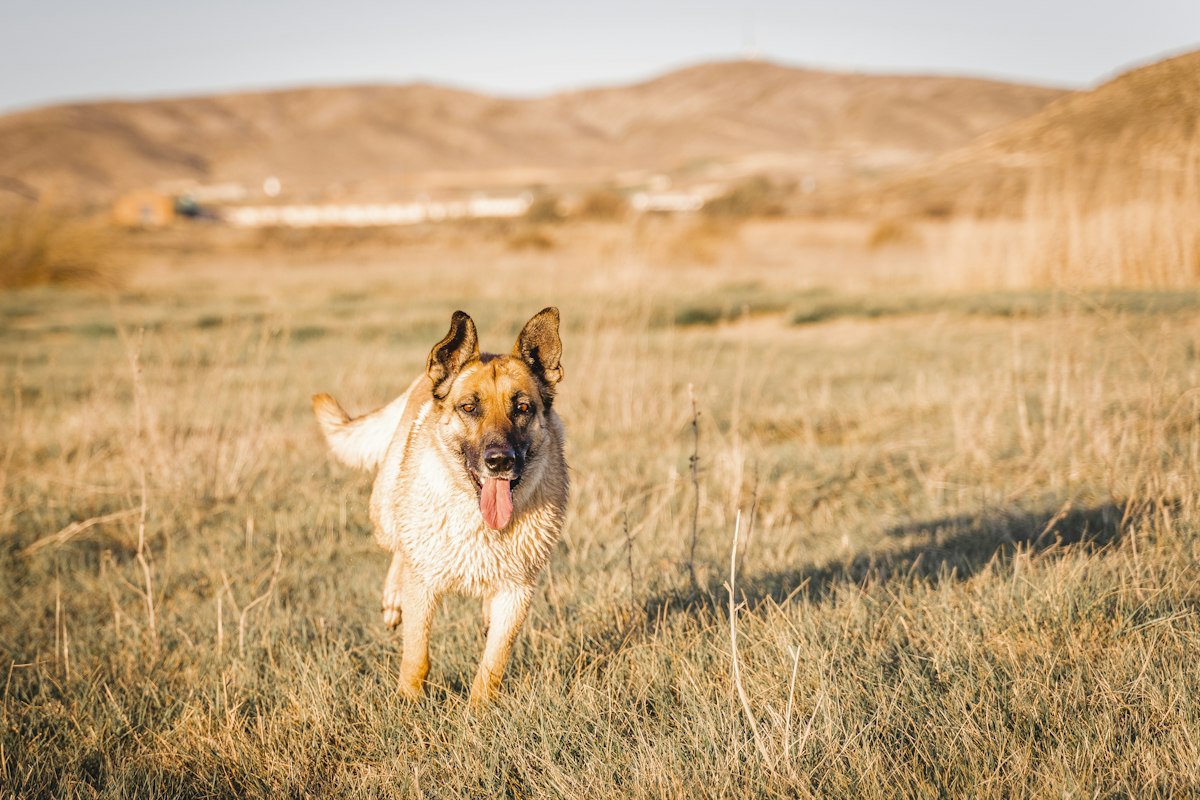
Increase activity gradually, especially if your dog is heavy, older or has joint problems. A few extra minutes on each walk is a great start. Mix in games like fetch, gentle hill walks or swimming, which is easy on the joints. Sniffing walks, where you let your dog explore at their own pace, also provide valuable mental stimulation. Watch for heavy panting or limping, and avoid hard exercise in hot weather.
For cats
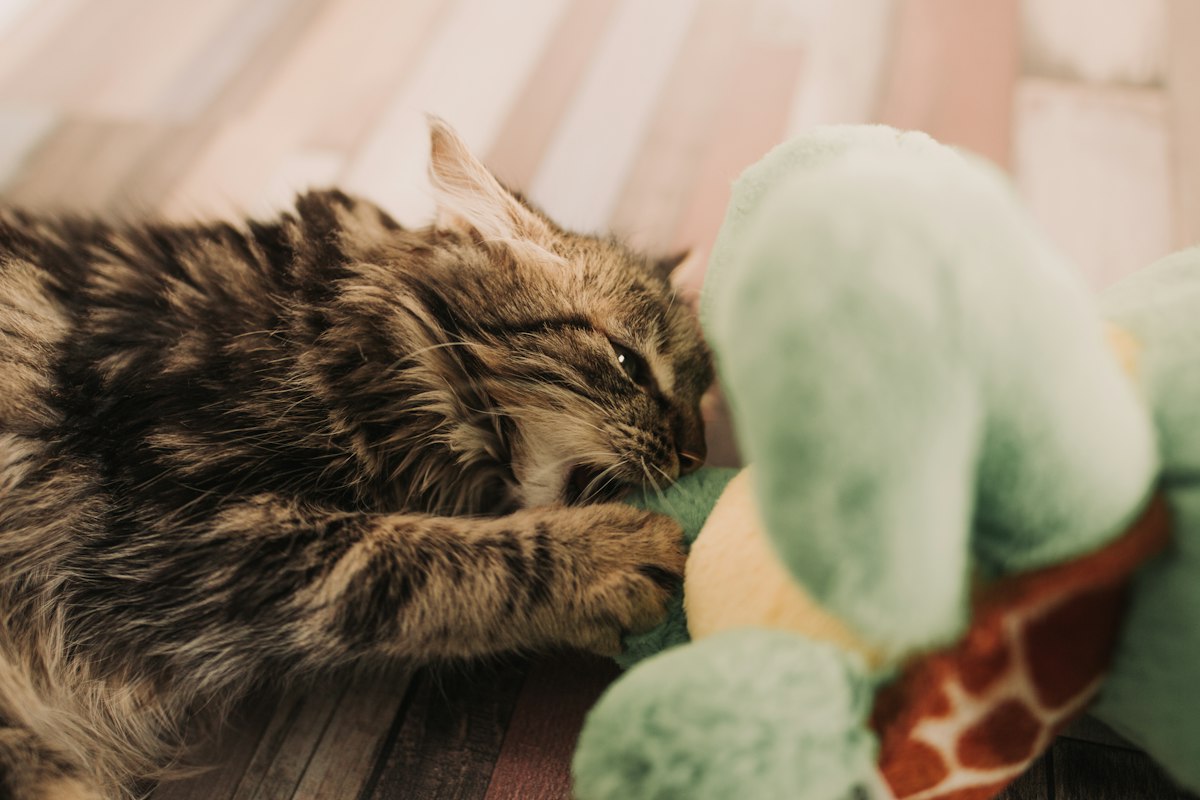
Cats rarely exercise on their own, so play is your best tool. Short sessions with a wand toy or a ball, a few times a day, mimic their natural hunting rhythm. Puzzle feeders and treat balls make them work a little for their food, and placing food bowls up a few steps or in different rooms encourages extra movement.
Tracking Progress
Weigh your pet regularly, for example every two to four weeks, at the same time of day. Small dogs and cats can be weighed by stepping on a bathroom scale while holding them and subtracting your own weight. Repeat the rib and waist checks too. If your pet is not losing weight, or seems to be losing it very fast, contact your vet so the plan can be adjusted.
Be patient. Healthy weight loss in pets takes time, often several months. Every small step, from measuring meals to an extra play session, counts.
Conclusion
Helping your cat or dog reach a healthy weight does not require dramatic changes. A quick body check at home, measured meals, sensible treats and a bit more daily activity can go a long way. Most importantly, work with your veterinarian: they can confirm your pet's ideal weight, rule out medical causes and guide you toward a safe pace. A leaner pet is usually a more comfortable, playful companion, and that makes the effort worth it.


Yorumlar
Yorum Gönder